This comprehensive guide explains what an e-Passport is, who can apply, how to apply, application fees, key benefits, and the advanced security upgrades that make it a game changer for Indian travelers.
What Is an e-Passport and How Is It Different?
An e-Passport, or electronic passport, is a traditional passport enhanced with a secure embedded microchip. This chip stores the passport holder’s personal details and biometric information in encrypted form. Unlike regular passports that rely heavily on visual inspection, e-Passports allow immigration authorities to instantly verify identity using electronic readers.
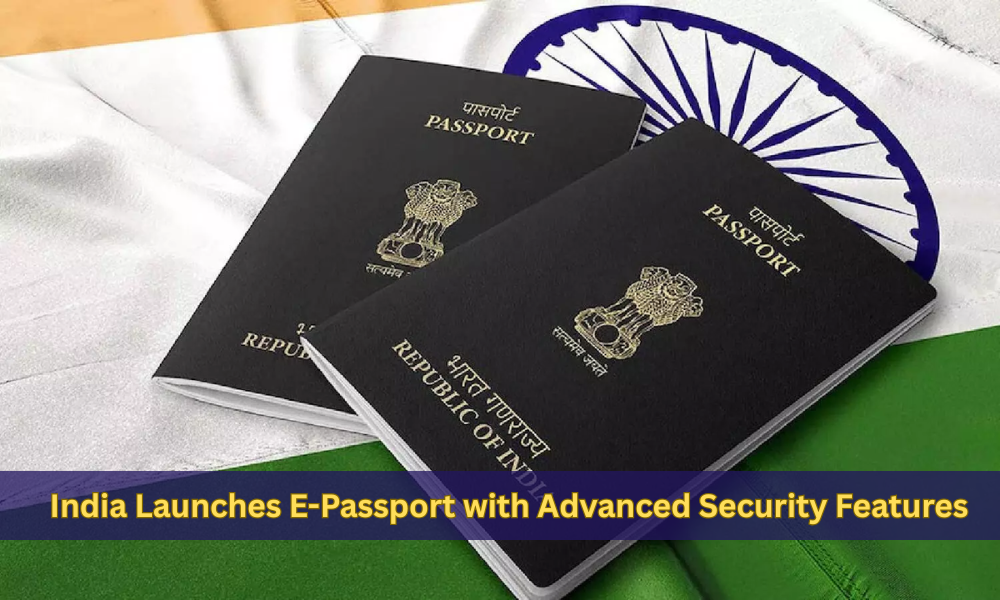
The Indian e-Passport looks similar to the existing maroon or blue passport but carries a small gold chip symbol on the cover, indicating its electronic capability. The chip is contactless and can only be accessed by authorized systems, ensuring high levels of data protection.
Who Is Eligible to Apply for an Indian e-Passport?
The rollout of e-Passports in India is being done in phases. Currently, the following applicants are eligible:
Individuals applying for a fresh passport
Citizens seeking re-issue or renewal of an existing passport
Adult and minor applicants, as per passport rules
Ordinary passport applicants (non-diplomatic category)
Existing passport holders are not required to replace their passports immediately. Traditional passports remain valid until their expiry date, after which applicants can opt for an e-Passport during renewal.
How to Apply for an e-Passport in India
The application process for an e-Passport is simple and follows the existing Passport Seva system. No separate application is required.
Step 1: Register Online
Visit the Passport Seva Portal and register using a valid email ID. Existing users can log in directly.
Step 2: Fill the Application Form
Choose either “Fresh Passport” or “Re-Issue Passport” and fill in accurate personal, address, and identity details.
Step 3: Pay the Application Fee
Pay the prescribed fee online using net banking, UPI, debit card, or credit card.
Step 4: Book Appointment
Select a convenient appointment date and location at a Passport Seva Kendra (PSK) or Post Office Passport Seva Kendra (POPSK).
Step 5: Visit the PSK
Carry original documents for verification. Your photograph, fingerprints, and digital signature will be captured securely.
Step 6: Police Verification
Police verification is conducted where applicable, either before or after passport issuance.
Step 7: Passport Delivery
Once approved, the e-Passport is printed with the embedded chip and delivered to your registered address.
e-Passport Application Fees in India
One of the biggest advantages of the Indian e-Passport is that it comes without any additional cost compared to a regular passport.
- Ordinary Passport (36 Pages)
- Fresh / Re-issue (10 years validity): ₹1,500
- Tatkaal service: Additional ₹2,000
- Ordinary Passport (60 Pages)
- Fresh / Re-issue: ₹2,000
- Tatkaal service: Additional ₹2,000
- Minor Applicants
- Passport with 5-year validity or up to age 18: ₹1,000
This pricing strategy encourages widespread adoption without placing a financial burden on applicants.
Key Benefits of the Indian e-Passport
The introduction of e-Passports brings several advantages for travelers and authorities alike.
- Stronger Security
The encrypted chip makes duplication, forgery, and tampering extremely difficult, offering higher protection against identity theft.
- Faster Immigration Clearance
e-Passports can be read instantly at immigration counters and automated e-Gates, reducing long queues at airports.
- Global Compatibility
Indian e-Passports comply with International Civil Aviation Organization (ICAO) standards, making them universally acceptable.
- Reduced Human Error
Automated verification minimizes manual checks and errors, ensuring accurate identification.
- Improved Travel Experience
Frequent international travelers benefit from quicker processing and smoother border crossings.