Industries Most Affected by Zero-Click Searches
While zero-click searches impact nearly every sector, some industries feel the effects more strongly:
- News and media websites losing traffic to AI summaries
- Educational blogs providing definitions, how-tos, and explanations
- Local businesses competing with map packs and instant contact details
- Finance and legal websites offering basic facts and calculations
For these industries, traditional content strategies are no longer sufficient.
How SEO Is Adapting in 2026
Despite the challenges, zero-click searches do not mean the end of SEO. Instead, SEO has evolved into something broader and more strategic.
- Optimizing for SERP Features
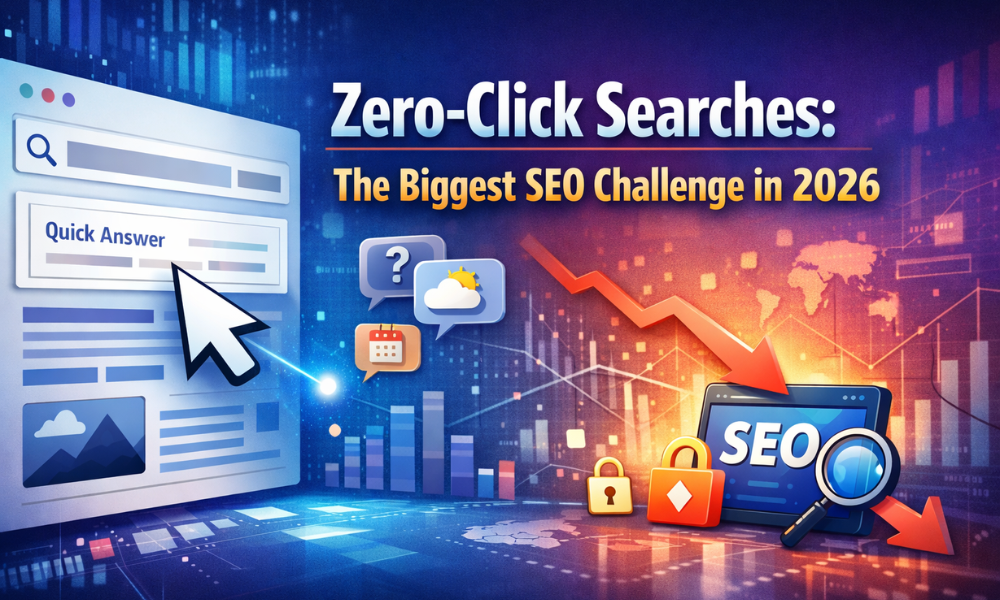
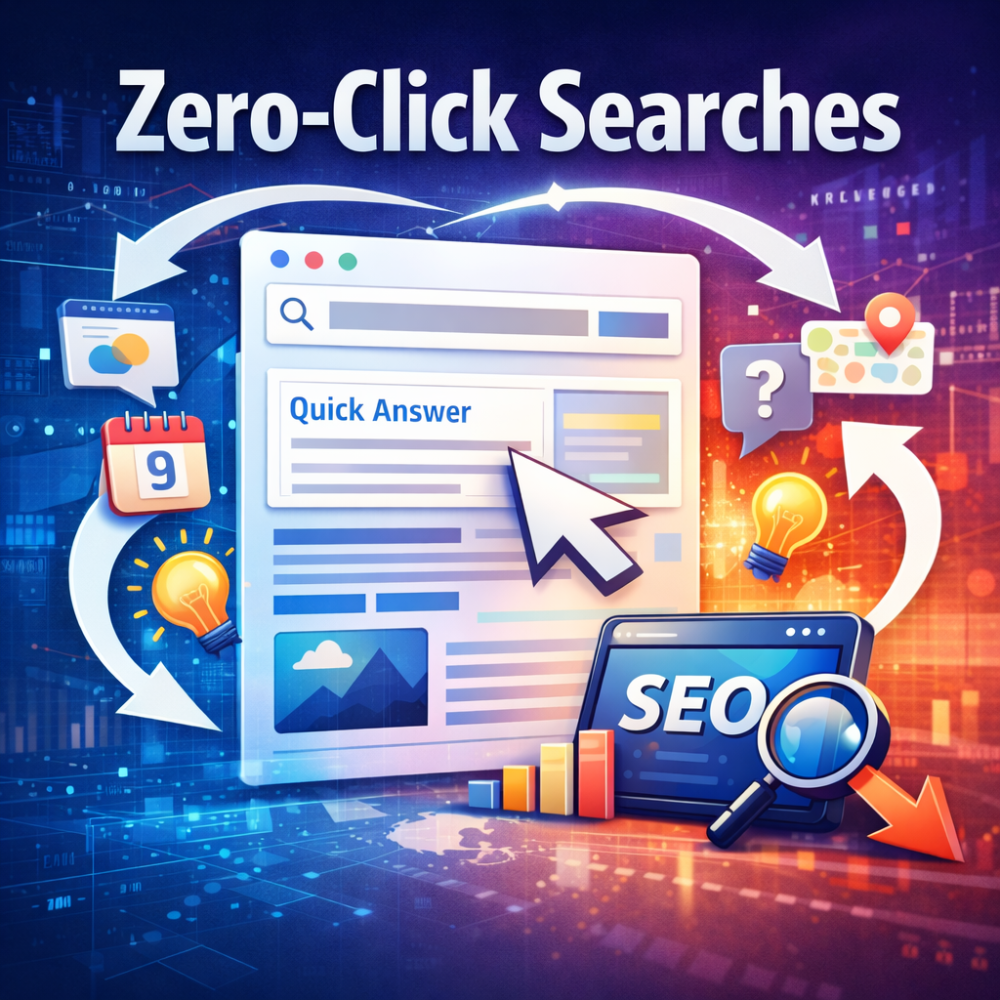
Instead of avoiding zero-click results, smart SEO strategies aim to own them. Featured snippets, FAQs, and knowledge panels can still provide visibility and authority, even without clicks.
- Focus on Brand Authority
When users repeatedly see a brand cited in snippets or AI answers, trust builds over time. Brand searches and direct traffic often increase as a result.
- Creating Deeper, Value-Driven Content
Simple answers are easily replaced by zero-click results. In-depth guides, expert insights, case studies, and opinion-based content still encourage users to click and engage.
- Leveraging Long-Tail and Complex Queries
While short queries are dominated by zero-click results, complex, detailed searches still require users to visit websites for full answers.
- Enhancing Local SEO
For local businesses, optimizing Google Business Profiles, reviews, images, and local content helps capture attention even if users don’t click through immediately.
The Role of Clickless Visibility Metrics
In 2026, SEO success is measured by more than traffic. New performance indicators include:
- Search impressions
- Brand mentions in AI-generated results
- Visibility in featured snippets
- Growth in branded search queries
- Engagement from returning users
These metrics help businesses understand their real impact in a zero-click environment.
Content Strategy for the Zero-Click Era
To stay competitive, content strategies must change:
- Write clear, structured content that search engines can understand
- Use schema markup to enhance SERP appearance
- Answer questions concisely while offering deeper insights beyond the snippet
- Focus on expertise, originality, and real-world experience
Content should aim to satisfy both users and search engines while offering reasons to explore further.
Is Zero-Click Search All Bad?
While zero-click searches reduce website traffic, they also offer opportunities. Businesses that adapt can gain massive visibility without paying for ads. Being featured prominently on SERPs builds authority and trust, which can indirectly drive conversions through other channels such as direct visits, social media, and offline interactions.