Reactions from Political Leaders
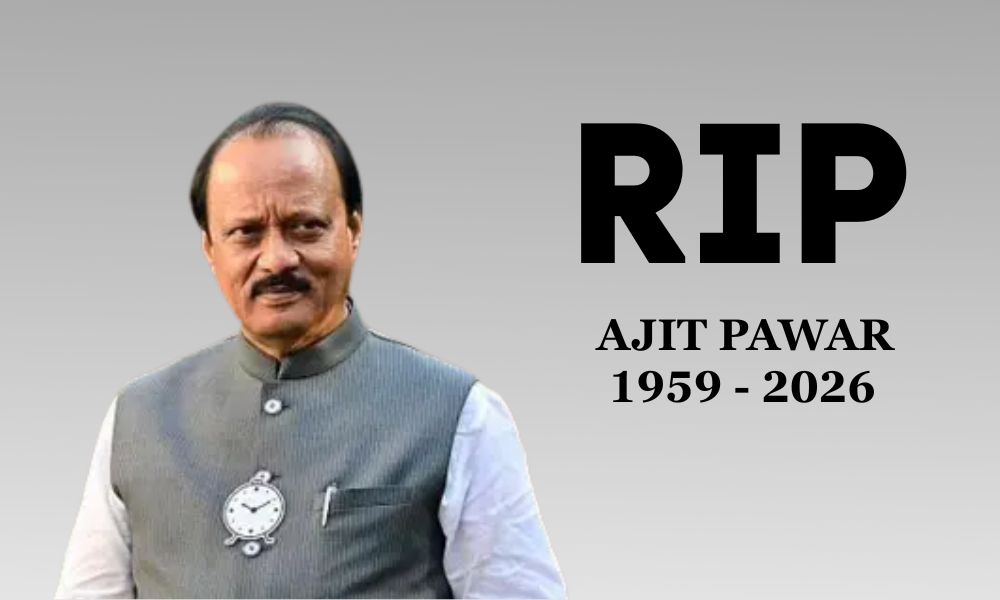
Condolences poured in from across the political spectrum. Leaders from both ruling and opposition parties described Ajit Pawar’s death as a personal and political loss. Maharashtra’s leadership highlighted his contribution to governance and development, acknowledging that despite ideological differences, Pawar was respected for his administrative experience.
His uncle and veteran leader Sharad Pawar expressed deep sorrow and urged political parties to refrain from speculation or politicization of the tragedy. He emphasized that the incident should be seen purely as an unfortunate accident and not be turned into a subject of political debate.
National leaders also expressed condolences, describing Ajit Pawar as a seasoned administrator and a leader whose influence extended beyond Maharashtra.
Ajit Pawar’s Political Legacy
Born into a prominent political family, Ajit Pawar carved out his own identity through years of political struggle and governance. He was known for his strong hold over grassroots politics, especially in western Maharashtra. Over the years, he managed key portfolios, including finance, where he played a significant role in shaping state budgets, welfare programs, and development initiatives.
His focus on irrigation projects, rural development, infrastructure, and economic planning earned him recognition among supporters. Pawar was often seen as a leader who combined political sharpness with administrative control, making him a formidable force in Maharashtra politics.
However, his career was not without controversy. Ajit Pawar frequently faced criticism and allegations related to policy decisions and administrative matters. Despite this, his supporters maintained that his contributions to the state’s development outweighed the controversies.
Uncertainty Over Political Future
With Ajit Pawar’s sudden demise, uncertainty looms large over the future of his political faction and Maharashtra’s coalition dynamics. Political analysts believe his absence could lead to internal realignments within parties and alliances, potentially altering the balance of power in the state.
Discussions have already begun regarding who will step into his role and how leadership responsibilities will be redistributed. While several senior leaders may attempt to fill the gap, many observers believe that Pawar’s experience, authority, and political acumen will be extremely difficult to replace.
Public Grief and Emotional Response
The news of Ajit Pawar’s death sparked an overwhelming public response. Social media platforms were flooded with tributes, condolences, and emotional messages from supporters and critics alike. Many citizens expressed shock, noting how suddenly the tragedy unfolded.
In Baramati and surrounding regions, people gathered in large numbers to pay homage, reflecting the deep connection Pawar shared with his constituents. For many, his death was not just the loss of a political leader but the end of an era that defined regional politics for decades.
A Reminder of Life’s Fragility
The sudden nature of Ajit Pawar’s passing has also reignited conversations around safety, leadership continuity, and the unpredictability of life. Leaders and citizens alike reflected on how quickly circumstances can change, even for those at the peak of power and influence.
His death serves as a stark reminder that political stature and authority cannot shield anyone from tragedy, reinforcing the need for humility and preparedness in public life.