-
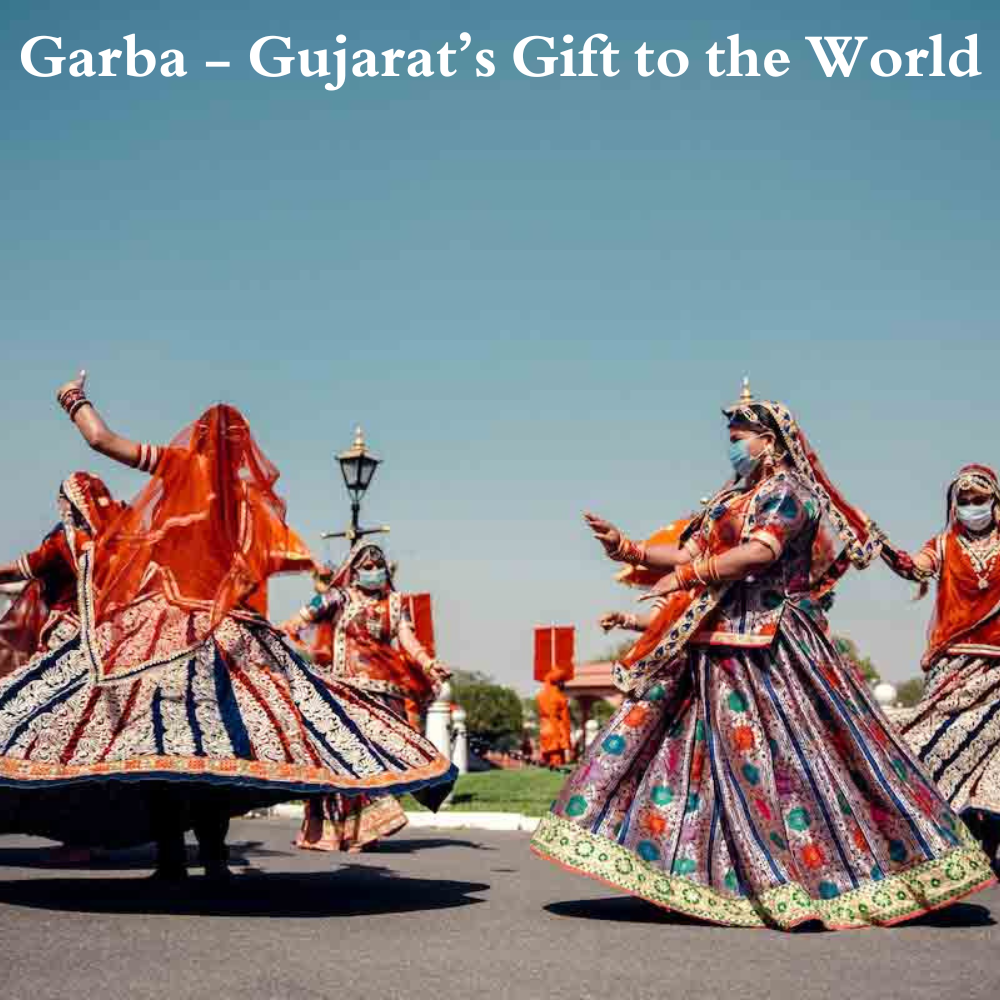
Garba — Gujarat’s Gift to the World
One of the brightest stars in India’s UNESCO list is Garba.
It is not just a dance; it is devotion, togetherness, and celebration of feminine power.
UNESCO praised Garba as a “community unifying ritual”, because:
- People of all ages join
- It celebrates the divine feminine
- It breaks social barriers
- It is performed with joy, music, and devotion
From villages to global cities like London, New York, and Dubai, Garba has now become a cultural bridge.
-
How UNESCO Selection Transforms Local Communities
When a tradition enters the UNESCO list, the impact is real and long-lasting:
- Boost for Local Artisans
Handicraft artists, performers, musicians, and storytellers get new recognition and income.
- Rise in Cultural Tourism
People from around the world visit India to witness these traditions.
- Encouragement for Young Generation
Youths take pride in their roots and learn age-old art forms.
- Preservation of Knowledge
Governments and cultural bodies take active steps to document and promote the tradition.
Thus, intangible heritage becomes a tool for both cultural revival and economic growth.
-
What the World Learns from India
India’s cultural heritage teaches three timeless lessons to humanity:
- Unity in Diversity
Different languages, arts, and rituals exist side by side in harmony.
- Harmony with Nature
Festivals follow seasons, crops, and natural cycles.
- Living Spirituality
Art in India is not just entertainment — it is devotion, meditation, and philosophy.
In a world struggling with conflict and division, these traditions remind us of compassion, community, and balance.
-
The Responsibility of the Future Generation
Once a tradition is recognized globally, it becomes even more important to preserve it.
Young people today must:
- Learn traditional arts
- Support local artisans
- Document cultural practices
- Promote heritage online
- Participate in cultural festivals
- Pass these traditions to future generations
Because heritage survives only when people practice it.
-
India’s Timeless Legacy — A Gift to the World
UNESCO’s recognition proves one thing:
India is not just a country — it is a cultural civilization.
Our intangible heritage is not only Indian; it belongs to the whole world.
These traditions:
- Carry ancient wisdom
- Spread joy and spirituality
- Promote peace and human unity
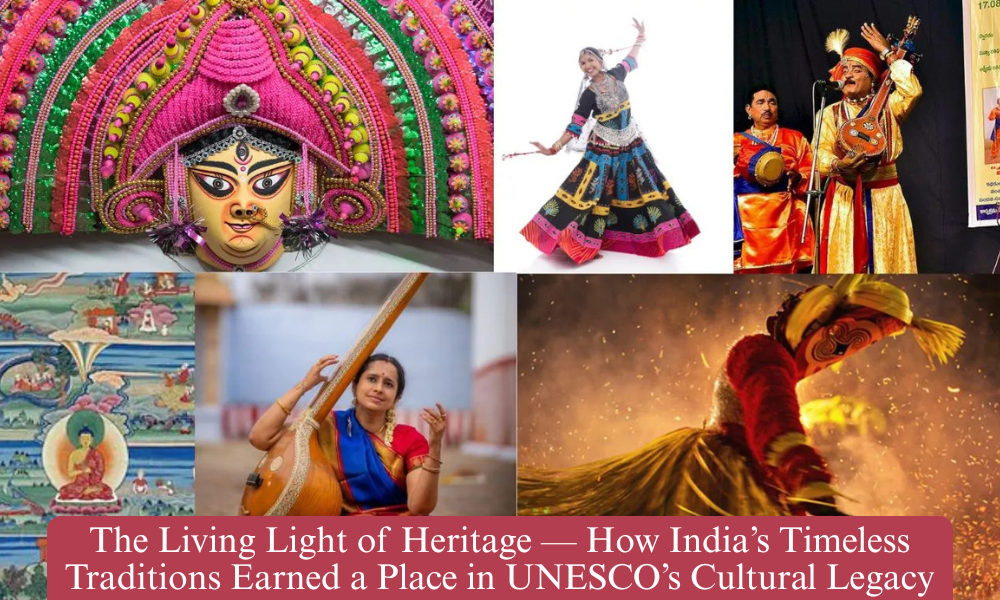
From Yoga to Garba, from Ramlila to classical music — India’s cultural heartbeat continues to resonate globally.