Limitations and Challenges
Despite the benefits, small wind turbines are not suitable for every home.
- Wind Speed Requirement
Consistent wind speeds of 4–5 m/s or higher are essential. Low-wind areas will see poor performance.
- Space and Height Needs
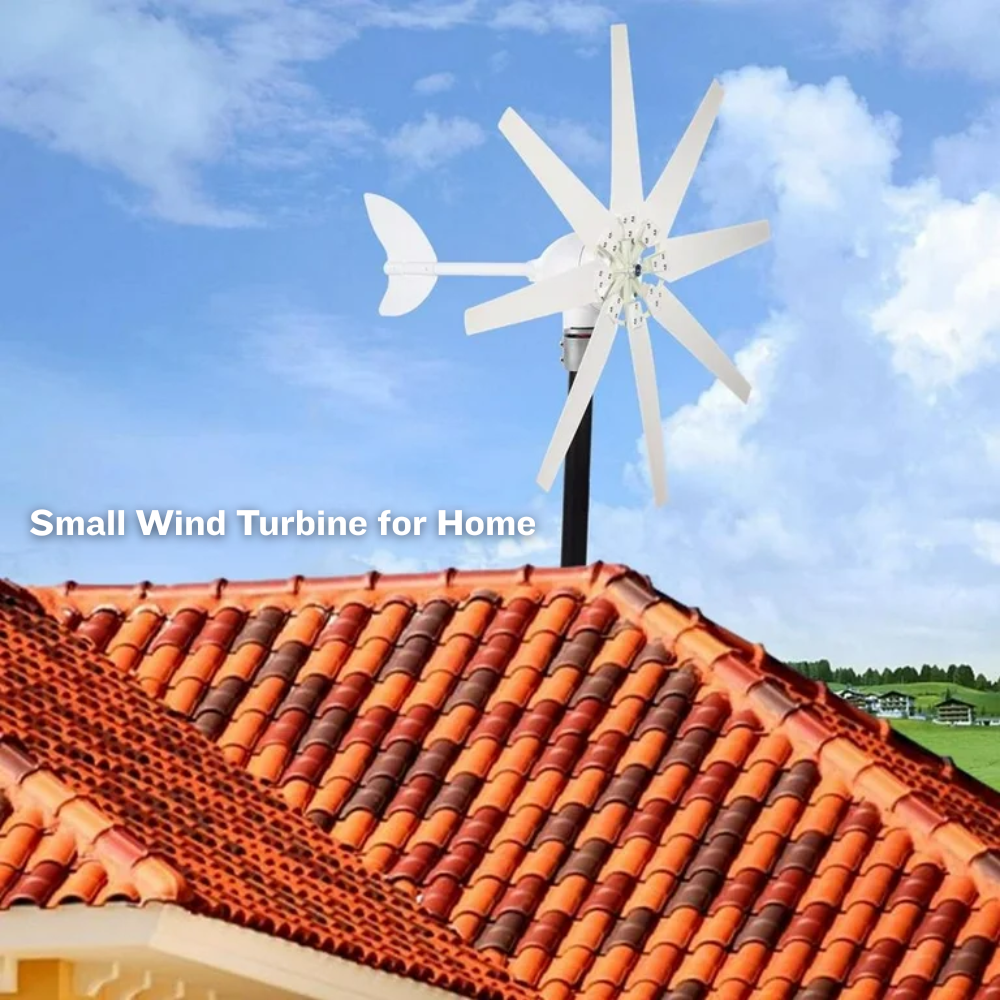
For good output, turbines must be installed at sufficient height (usually 10–30 meters), which may not be possible in dense urban areas.
- Noise and Vibration
Although modern turbines are quieter, some noise and vibration can still occur, which may disturb neighbors.
- Initial Cost
Upfront costs are higher compared to small solar installations.
- Maintenance
Moving parts require periodic inspection, lubrication, and repairs.
Is a Small Wind Turbine Suitable for Indian Homes?
In India, residential wind energy works best in:
- Coastal regions
- Open rural areas
- Hilltops or elevated locations
- Farmhouses and large plots
Urban homes with tall buildings, trees, and inconsistent wind flow are generally not ideal for wind turbines. In cities, wind turbulence reduces efficiency significantly.
Cost of Small Wind Turbine for Home (India)
The cost depends on capacity, tower height, and system type:
- 500W – 1KW system: ₹1.5 – ₹3 lakh
- 2KW – 3KW system: ₹3 – ₹6 lakh
- 5KW system: ₹6 – ₹10 lakh
Additional costs may include batteries, inverter, installation, and maintenance.
For most homes, solar is more practical, but wind becomes valuable where solar output is limited and wind is strong.
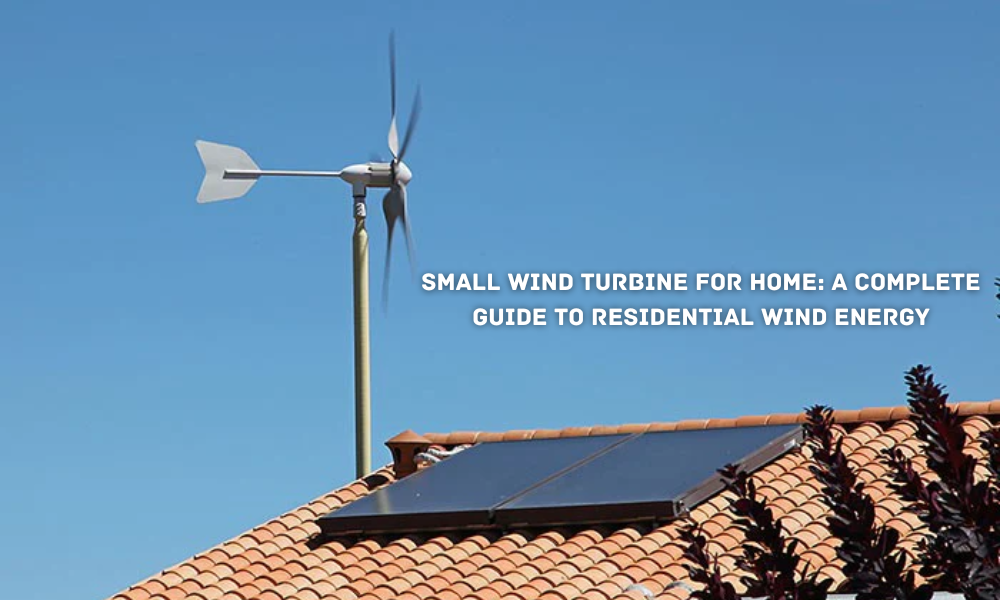
Hybrid Wind-Solar Systems: Best of Both Worlds
A growing trend in 2026 is hybrid renewable systems. Combining a small wind turbine with rooftop solar and battery storage ensures:
- Power generation during day and night
- Better performance in all seasons
- Reduced reliance on grid electricity
- Improved return on investment
Hybrid systems are especially effective in areas with moderate sun and strong winds.
Legal and Safety Considerations
Before installing a wind turbine:
- Check local building and zoning regulations
- Ensure height and noise compliance
- Obtain necessary permissions
- Use certified equipment and professional installers
Proper grounding and safety mechanisms are essential to prevent electrical hazards.
Future of Small Wind Turbines for Homes
Advancements in blade design, materials, and smart controllers are making small wind turbines more efficient and quieter. In 2026 and beyond, wind energy is expected to play a supporting role alongside solar, especially in hybrid residential systems.