Why Gmail Address Changes Were So Difficult Until Now
Traditionally, Gmail addresses have been permanent. Once you created an account, your username was locked in for life. If you chose an unprofessional name as a teenager, made a spelling mistake, or later wanted something cleaner and more brand-friendly, your only option was to create a brand-new account.
This rigidity created real problems:
- Professional limitations for users whose early email IDs no longer reflected their careers
- Security risks from maintaining multiple old accounts
- Inconvenience of migrating contacts, files, subscriptions, and linked services
Unlike phone numbers, which can be changed, or usernames on social platforms, which are often editable, Gmail lagged behind. Users repeatedly voiced their frustration, especially as email remained central to digital authentication.
What the New Gmail Feature Changes
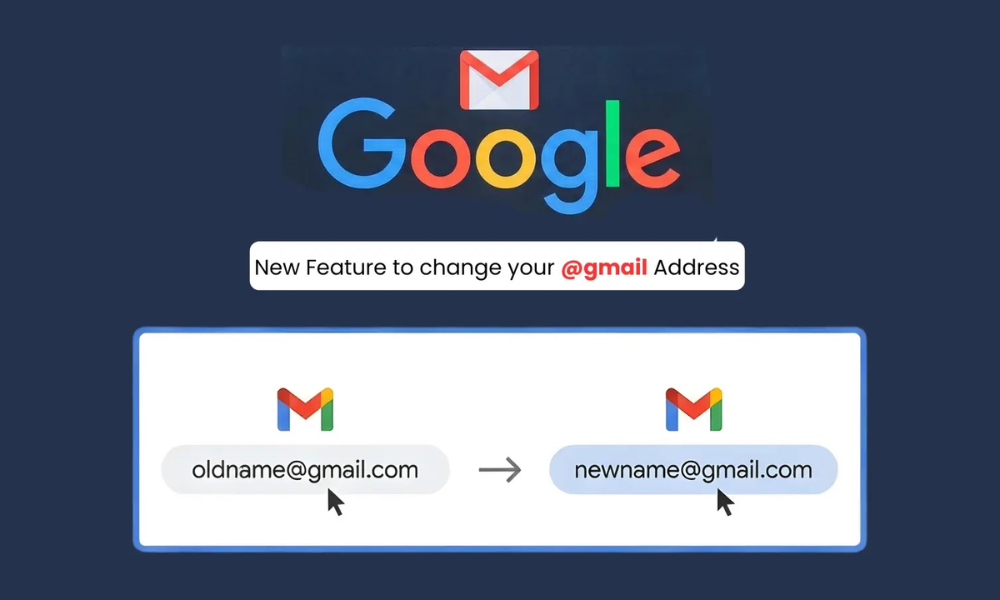
With this new rollout, Google is finally acknowledging that digital identities evolve. The updated Gmail feature allows users to modify how them @gmail.com address appears or functions, without losing access to their existing account, data, or services.
Instead of forcing users to abandon an old inbox, Google is enabling:
- Greater control over email identity
- Smoother transitions to new addresses
- Reduced need to juggle multiple Gmail accounts
The core idea is simple: users should not have to sacrifice years of emails, Google Drive files, Photos, and account history just to modernize their email address.
A Major Win for Long-Time Users
For long-time Gmail users, this change is especially meaningful. Many people created their accounts during Gmail’s early invitation-only era, often choosing usernames that felt casual or experimental. Over time, those same addresses became tied to:
- Government services
- Financial platforms
- Work tools
- Two-factor authentication
The new feature recognizes that users grow, careers change, and digital presentation matters. By giving people more flexibility, Google is aligning Gmail with the realities of modern online life.
Impact on Professionals and Businesses
This update is particularly valuable for freelancers, consultants, and small business owners who rely on Gmail rather than custom domains. A cleaner, more relevant Gmail address can now better match:
- Personal brands
- Online portfolios
- Client communications
It also reduces the need to switch entirely to a new email provider or paid workspace solution just to maintain credibility.
For job seekers, the change removes a long-standing pain point. An email address that once felt harmless can now be updated to reflect professionalism without disrupting years of stored communication.