A Landmark Moment for the Bullet Train Project
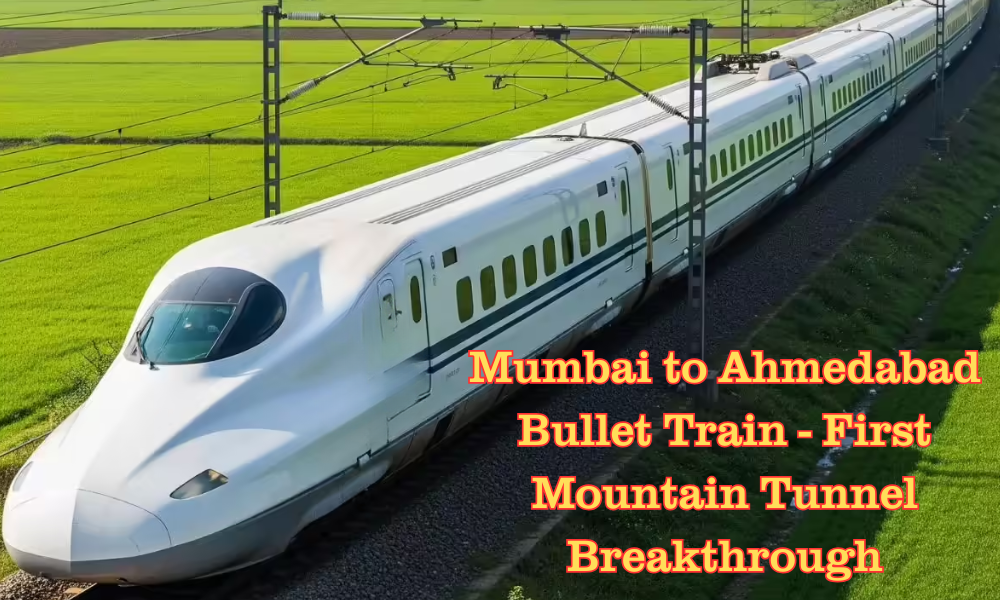
The Mumbai–Ahmedabad Bullet Train Project is India’s first high-speed rail corridor, designed to operate trains at speeds of up to 320 km/h. Spanning approximately 508 kilometres, the project connects Maharashtra, Gujarat, and the Union Territory of Dadra and Nagar Haveli and Daman and Diu. Among its many engineering challenges, tunnelling through hilly and mountainous terrain—especially in Maharashtra—has been one of the most demanding tasks.
The first mountain tunnel breakthrough signifies the completion of excavation from one end of the tunnel to the other, effectively “breaking through” the mountain. This moment is celebrated worldwide in tunnelling projects as it validates engineering design, geological assessment, and construction precision.
Why the Mountain Tunnel Is So Important
Unlike tunnels in plain terrain, mountain tunnels pose several challenges:
Complex geology with varying rock strength
Water seepage and pressure management
Limited access for machinery and manpower
High safety and precision requirements
The successful breakthrough demonstrates that these challenges have been addressed effectively. It also boosts confidence for the completion of remaining tunnels along the corridor, including longer and more technically complex sections.
Visit Wixsite of Paze1 SEO For Similar Business Stories & Latest Blogs
Engineering Excellence and Global Collaboration
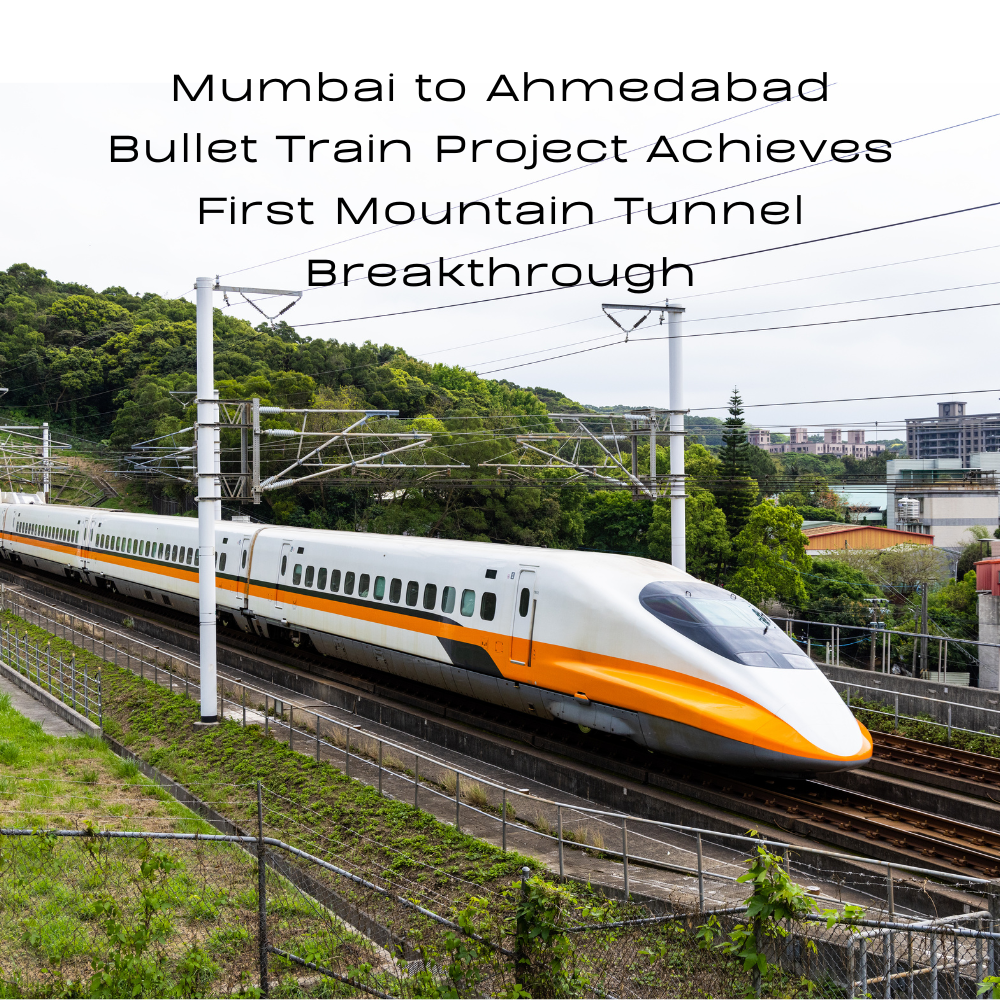
The Mumbai–Ahmedabad Bullet Train Project is being implemented by the National High Speed Rail Corporation Limited (NHSRCL) with technical and financial assistance from Japan. The project adopts the Japanese Shinkansen technology, known globally for its safety, reliability, and punctuality.
For tunnelling, advanced methods such as the New Austrian Tunnelling Method (NATM) are being used in mountainous sections. This method allows engineers to adapt construction techniques based on actual ground conditions, ensuring safety and structural stability. The successful breakthrough reflects effective coordination between Indian engineers, international experts, and skilled workers on the ground.
Strategic Importance for Maharashtra and Gujarat
The mountain tunnel is a crucial link in Maharashtra, where the bullet train alignment passes through challenging terrain. Completing this tunnel brings the project closer to ensuring seamless high-speed connectivity between Mumbai and Ahmedabad.
For Gujarat, the project is expected to:
Strengthen industrial and business connectivity
Boost tourism across cities like Ahmedabad, Vadodara, and Surat
Create new economic corridors and urban growth zones
For Maharashtra, particularly the Mumbai Metropolitan Region, the bullet train promises faster intercity travel, reduced congestion, and enhanced regional development.
Speed, Safety, and Sustainability
High-speed rail is considered one of the most environmentally sustainable modes of mass transport. Once operational, the Mumbai–Ahmedabad bullet train will:
Reduce travel time from nearly 7 hours to about 2 hours
Lower carbon emissions compared to road and air travel
Reduce traffic congestion on highways and airports
Offer world-class safety standards with zero fatal accidents record in Shinkansen history
The completion of critical infrastructure like mountain tunnels ensures that the project adheres to these global benchmarks.