Past Incidents and Lessons Learned
The Indian Army’s decision is not sudden. In the past, several incidents have highlighted how social media activity can compromise security. There have been cases where adversaries contacted soldiers online using fake profiles, gradually extracting information through casual conversations. In some instances, photos shared online unintentionally revealed strategic locations.
Such incidents have prompted defense authorities to repeatedly issue advisories and conduct awareness programs. The latest move is seen as a preventive step rather than a punitive one.
Balancing Personal Freedom and National Duty
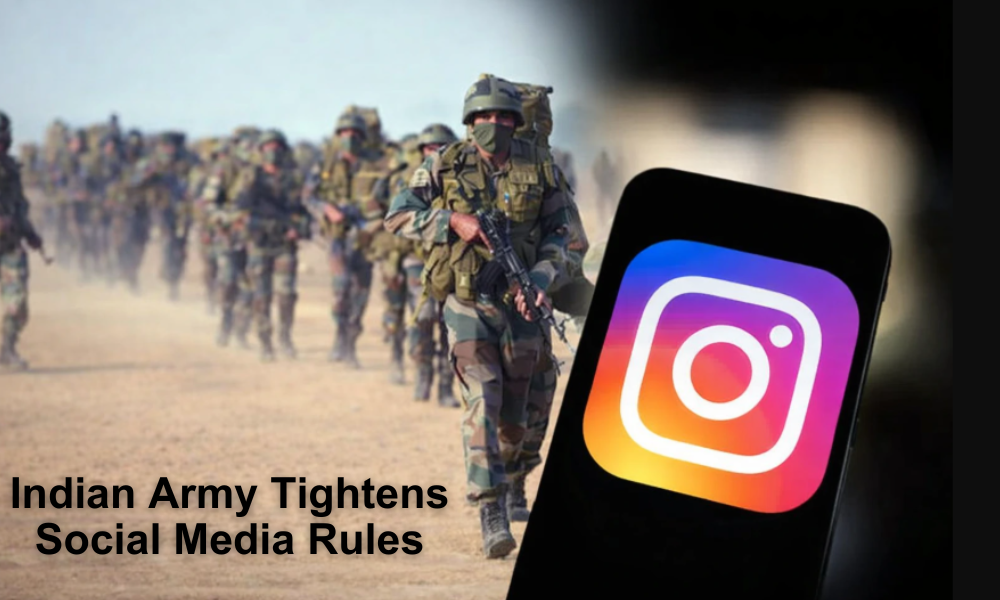
For soldiers, social media often serves as a way to stay emotionally connected with loved ones, especially during long deployments away from home. The Army acknowledges this reality and, therefore, has not imposed a complete ban on social media usage.
Instead, the focus is on responsible and restricted use. Soldiers can still consume content, follow accounts, and communicate privately, but without creating or sharing public-facing content. This approach aims to protect security without completely isolating personnel from the digital world.
Training and Awareness Programs
Alongside stricter rules, the Indian Army continues to invest in digital awareness and cyber security training. Soldiers are educated about:
- How enemy intelligence agencies operate online
- Risks of accepting unknown friend requests
- Dangers of sharing personal or professional details
- Importance of privacy settings and digital hygiene
By combining rules with education, the Army hopes to create a culture of awareness rather than fear.
A Broader Trend Across Armed Forces
India is not alone in taking such measures. Armed forces around the world, including those in the United States, United Kingdom, and other major nations, have implemented strict social media policies for military personnel. Some countries completely ban posting in uniform, while others restrict geotagging and operational content.
The Indian Army’s updated approach aligns with global best practices, recognizing that information security is as important as physical security.
Public Reaction and Support
The move has received mixed but largely supportive reactions from the public. Many citizens believe that national security must take precedence over personal expression, especially for those entrusted with defending the country. Social media users have also acknowledged that the digital world can be far more dangerous than it appears on the surface.
Defense commentators have praised the decision as timely and necessary, given the increasing sophistication of cyber threats and online surveillance.
Looking Ahead
As technology continues to evolve, so will the challenges associated with it. The Indian Army’s decision to allow usage but restrict posting reflects a nuanced understanding of modern realities. It recognizes the human need for connection while firmly prioritizing national security.
In the future, social media policies may become even more refined, incorporating new platforms, technologies, and threat patterns. For now, the message is clear: vigilance, responsibility, and discipline must extend beyond the battlefield into the digital space.