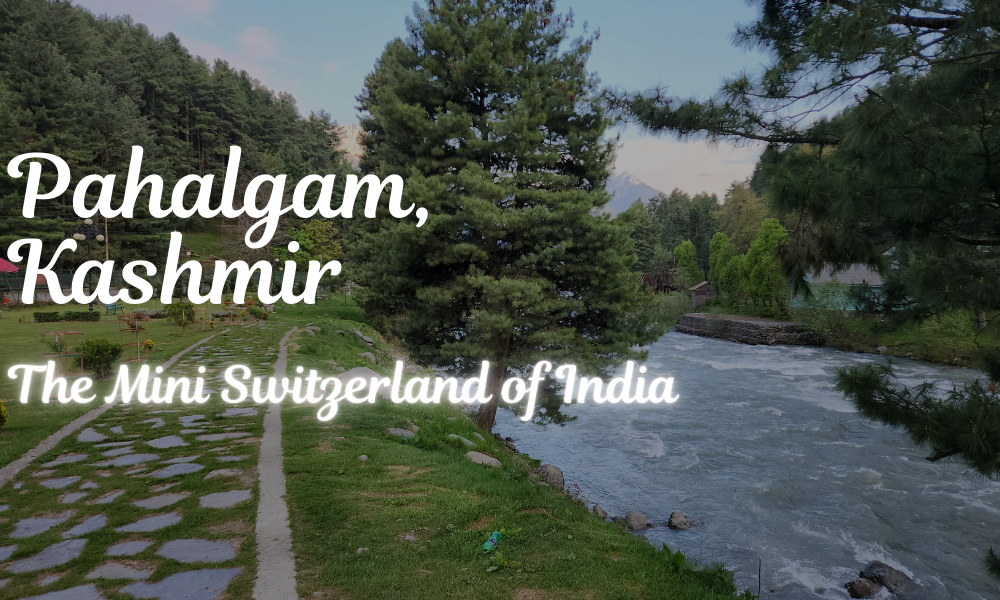
Let’s peel away what really makes Pahalgam special – the side of this Himalayan treasure trove that isn’t typical for a traveler/checklist.
A Living Symphony of Shepherd Culture – The Gujjars
Few people know that Pahalgam derives from “Pahal” (shepherd) and “Gam” (village), meaning “village of shepherds.” This area has a long history and a deep connection with the Gujjars and Bakarwal tribes—nomadic herders who still migrate seasonally, moving their flocks through the valleys and hills as they have for centuries.
If you happen to visit between May and July, you might be fortunate enough to see Gujjar families moving uphill with their decorated horses, handwoven tents, and flocks. The songs and stories shared around their campfires are a cultural treasure—folk songs and storytelling that are raw, real, and untouched by tourism.
Unique Suggestion: Invite a local guide to take you on a “Gujjar cultural walk” or spend some time hanging out in a Gujjar house. They might provide you tea and makki (Corn) ki roti.
Sacred Vibes – Pahalgam’s Forgotten Temples
Although the majority of visitors go to Chand Anwari or Betaab Valley, few are aware
that Pahalgam is home to one of Kashmir’s oldest Shiva temples, the Mamleshwar Temple, which some claim dates back to the fifth century. The Lidder River surrounds the little stone temple, which is surrounded by large trees that spiral upward toward the sky. Here, you will see the undestroyed Shiva lingam as it withstands centuries of invasions and harsh climates, capturing an unbelievable sense of spirituality.
Hidden Gem: A few kilometers away is an incredible temple, the Sheshnag Temple, submerged for most of the year and thought to correlate with the serpent deity of Hindu mythology. Locals call it the “whispering temple” due to the frightening winds that whistle through its ruins.
Baisaran Is Much More Than Meadows; It Is A Healing Chamber of Nature
A number of travel blogs call Baisaran “Mini Switzerland,” but here is what they fail to see—it’s not just a meadow; it has been an ancient resting land for people, who utilized the tall pine forests of Baisaran to obtain “healing energy.”
Old-timers in the village still contend that resting here for a day will cure your headache, joint pain, and “urban stress.” Fame aside, Baisaran offers the certainty that the air feels fresher, thoughts feel clearer, and time stands still.
Please give it a go: Lie on your back on the ground with your eyes closed for 15 minutes. Allow the quiet to engulf you and recognize you are holding nature’s therapy that no spa could reproduce.
Handwoven Warmth – Hidden Artisans of Pahalgam
While Srinagar gets the credit, there is a quiet craft heritage in Pahalgam, especially in wood carving and sheep wool weaving. Not far from the main street you can discover the back corner of a room where someone is carving a small trinket of walnut wood; or, spinning some pashmina by firelight.
What is remarkable is purity, goods made by artisans that do not use machines, dyes, or short- cuts. When you buy from one of these craftspeople, you help maintain a vanishing art.
Local Gem: Head to the Pahalgam Artisan Cooperative shop near the main market for authentic, non-commercial souvenirs.