Introduction to Ziro Valley
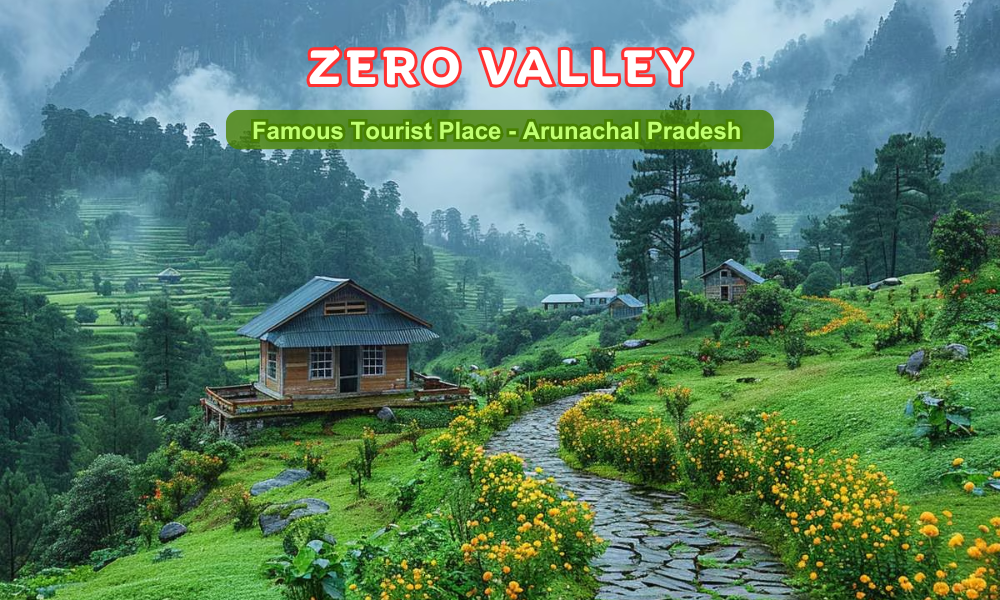
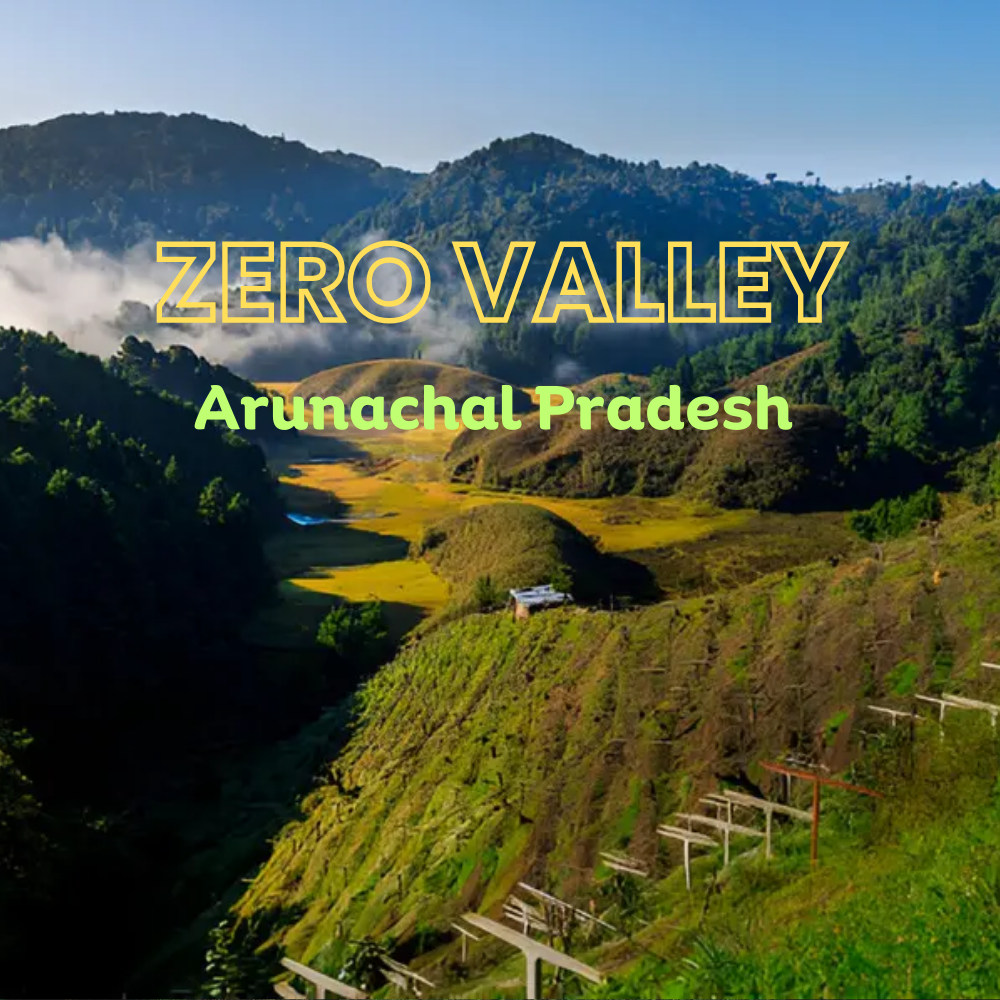
Ziro Valley is set around the town of Ziro, which rests at elevations between 1,688 and 2,438 meters above sea level. Surrounded by gentle pine‑clad hills and vast terraced rice fields, the valley’s cool climate and serene beauty make it a refreshing escape from crowded tourist hubs. Interestingly, the Apatani Cultural Landscape here is included in the UNESCO Tentative List of World Heritage Sites for its centuries‑old agricultural traditions and harmonious relationship between people and nature.
The valley derives its name from the village of Ziro, which historically served as a gateway to the remote northeastern frontiers of India. Today, Ziro offers a blend of nature, culture, and sustainable tourism, making it an ideal destination for travelers seeking authenticity.
Apatani Tribal Culture: Heart of Ziro Valley Tourism
One of the most defining features of Ziro Valley is the Apatani tribe, who have lived here for generations. Their life revolves around sustainable farming, especially wet rice cultivation combined with fish farming, an ingenious system that requires minimal machinery and has preserved soil fertility over time.
Walking through villages like Hong, Hari, and Hija feels like stepping back in time. Traditional bamboo houses on stilts, communal granaries, and thatched roofs are common sights. In the past, Apatani women were known for distinctive facial tattoos and large bamboo nose plugs—a practice aimed at deterring rivals from kidnapping their women. Although this custom has largely faded, it remains a fascinating part of their cultural identity.
The Apatani people also celebrate vibrant festivals such as Dree and Myoko, which revolve around agricultural cycles, prayers for good harvests, and community unity. These events are rich with rituals, traditional dances, and feasts—a true cultural immersion.
Best Time to Visit Ziro Valley
The best time to visit Ziro Valley is generally between March and October. During the spring and summer, the valley is covered in lush greenery and pleasant weather. The monsoon season (June to September) brings dramatic scenery with misty hills and vibrant landscapes. This period also coincides with the Ziro Music Festival, one of India’s most eclectic and eco‑friendly music events.
The festival typically takes place in September, attracting artists and music lovers from across India and abroad. Set under open skies with the backdrop of rice fields and pine trees, it blends contemporary music with nature and tribal culture—making it an unforgettable experience.
Top Things to Do in Ziro Valley
- Explore Apatani Villages
Visiting local villages offers a genuine look at everyday life in the valley. Take guided walks or cycle through the rice terraces, interact with villagers, and observe traditional practices that have endured for centuries. Respect for local customs and etiquette is key when engaging with community members.
- Attend the Ziro Music Festival
For music enthusiasts, the Ziro Music Festival is a highlight. This open‑air event showcases bands and independent artists from across the country and integrates sustainability into its organization, with strict eco‑friendly policies. From folk to rock and fusion, the variety of performances draw Indian and international attention alike.
- Trekking and Nature Walks
Ziro Valley offers numerous scenic treks that appeal to both beginners and experienced hikers. Trails like Dolo Mando, Tarin Fish Farm trek, and Kile Pakho ridge provide panoramic views of pine forests, rolling hills, and the valley below. Sunrises and sunsets here paint the landscape in golden hues—perfect for photographers and nature lovers.
- Visit Talley Valley Wildlife Sanctuary
Located about 30 km from Ziro town, the Talley Valley Wildlife Sanctuary is rich in biodiversity. Dense forests, rare orchids, and bird species like hornbills and eagles make this a must‑visit for wildlife enthusiasts and bird watchers.
- Enjoy Local Markets and Cuisine
The Hapoli Market is a vibrant place to explore local handicrafts, bamboo products, and traditional textiles. Visitors can also sample regional delicacies such as apong (traditional rice beer), bamboo shoot dishes, smoked meats, and other local food made from fresh valley produce.
- Spiritual and Scenic Spots
Near the valley, sites like Meghna Cave Temple provide a peaceful spiritual experience. Hidden inside a hill, this temple offers scenic views along with a sense of ancient reverence. Other scenic viewpoints like Ziro Putu Hill give a bird’s‑eye view of the entire valley—a great place for photography or quiet reflection.