Spiritual Significance of Adi Kailash
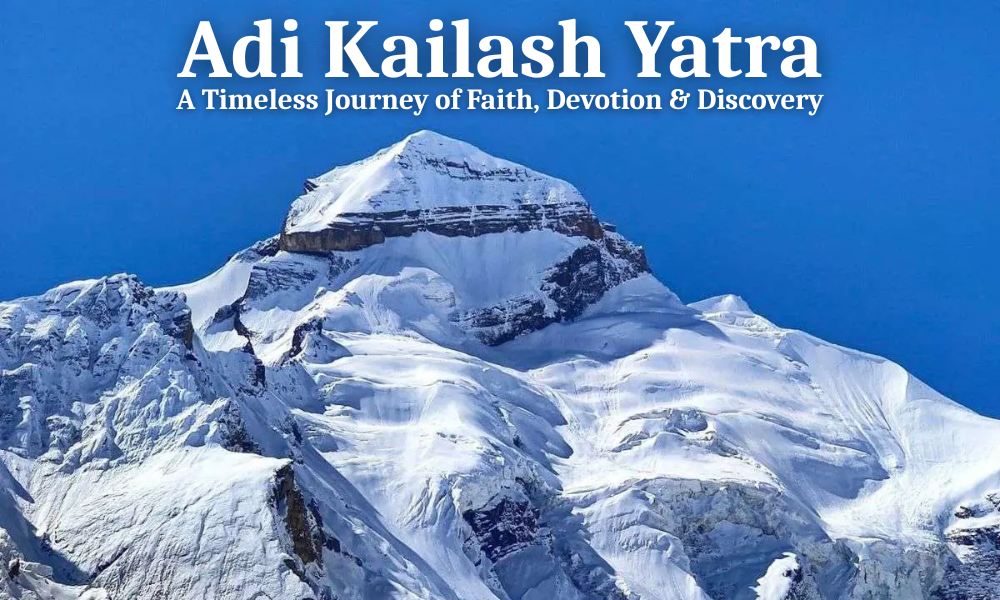
Adi Kailash holds a sacred place in Hindu mythology. It is believed that Lord Shiva and Goddess Parvati reside here, and the mountain’s striking resemblance to Mount Kailash reinforces this belief. Ancient scriptures and local folklore describe this region as a meditation ground for sages and ascetics for thousands of years.
One of the most revered spots here is Parvati Sarovar, a crystal-clear lake believed to be formed by Goddess Parvati herself. Devotees take a holy dip or offer prayers beside its serene waters, believing it cleanses the soul and washes away sins. Nearby lies Gauri Kund, another sacred water body associated with divine energy and spiritual purification.
For pilgrims, visiting Adi Kailash is not just a journey—it is a form of tapasya (spiritual penance). The silence of the mountains, the rhythmic chanting of mantras, and the untouched purity of nature create a deeply transformative experience.
Mythology and Legends
According to legend, Adi Kailash was one of the places where Lord Shiva meditated for long periods, detached from worldly affairs. Some traditions believe that before settling in Mount Kailash, Shiva resided here, which is why it is called Adi (original) Kailash.
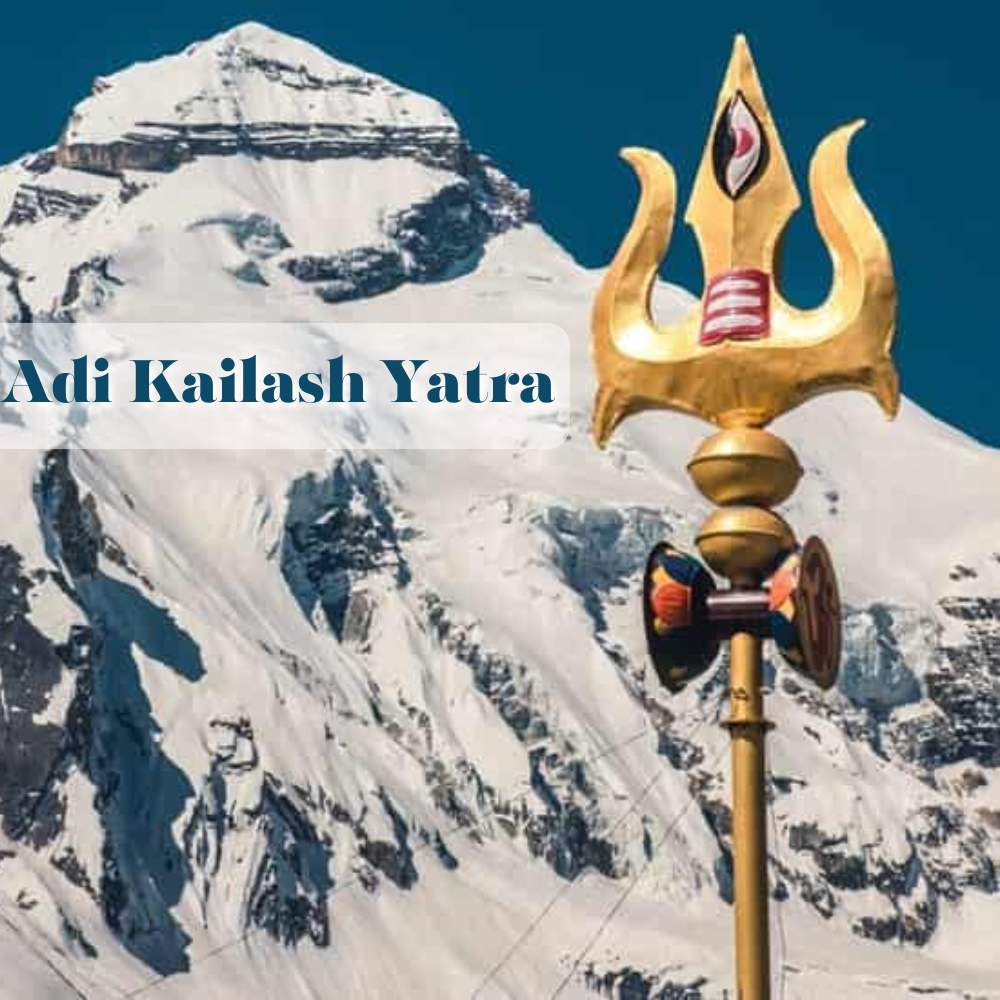
The surrounding peaks are often associated with divine symbols. The natural rock formations near the mountain are said to resemble Om, Trishul, and Damru, reinforcing the belief that this land is charged with cosmic energy. For devotees, every stone and stream here tells a sacred story.
A Journey of Adventure and Endurance
While Adi Kailash is spiritually enriching, reaching it is no easy task. The journey itself is a test of endurance and determination, making it equally appealing to adventure enthusiasts.
The trek to Adi Kailash passes through remote villages, narrow mountain paths, river crossings, and high-altitude terrains. The trail winds through Dharchula, Gunji, Nabi, and Kuti villages, each offering a glimpse into traditional Himalayan life. These villages are inhabited by the Bhotia tribe, known for their simple lifestyle, warm hospitality, and deep-rooted spiritual beliefs.
The challenging terrain, unpredictable weather, and thin mountain air demand physical fitness and mental strength. Yet, for many trekkers, the difficulty only adds to the sense of achievement. Standing before the majestic Adi Kailash peak, surrounded by snow-clad mountains and complete silence, is a reward beyond words.
Natural Beauty and Landscapes
Adi Kailash is a paradise for nature lovers. The region is adorned with lush alpine meadows, dense forests, glacial rivers, and dramatic mountain views. During summer, the valleys come alive with colorful wildflowers, while winter transforms the landscape into a pristine white wonderland.
The Kali River, flowing nearby, adds to the raw beauty of the region. The untouched environment, free from commercialization, makes Adi Kailash one of the last remaining pure Himalayan destinations. Photographers and nature enthusiasts find endless inspiration in the changing hues of the sky, the play of light on snow peaks, and the reflection of mountains in sacred lakes.