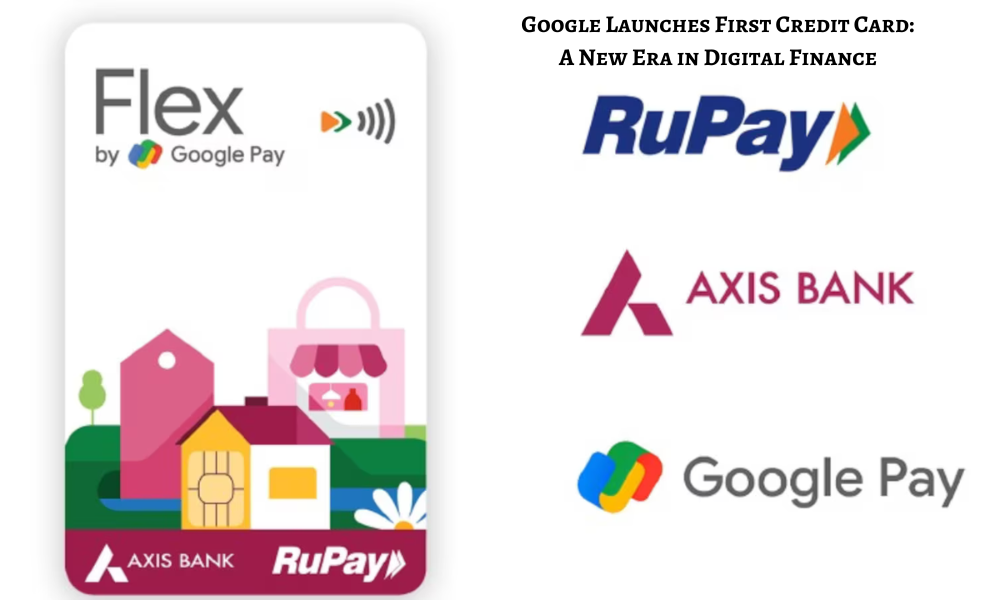
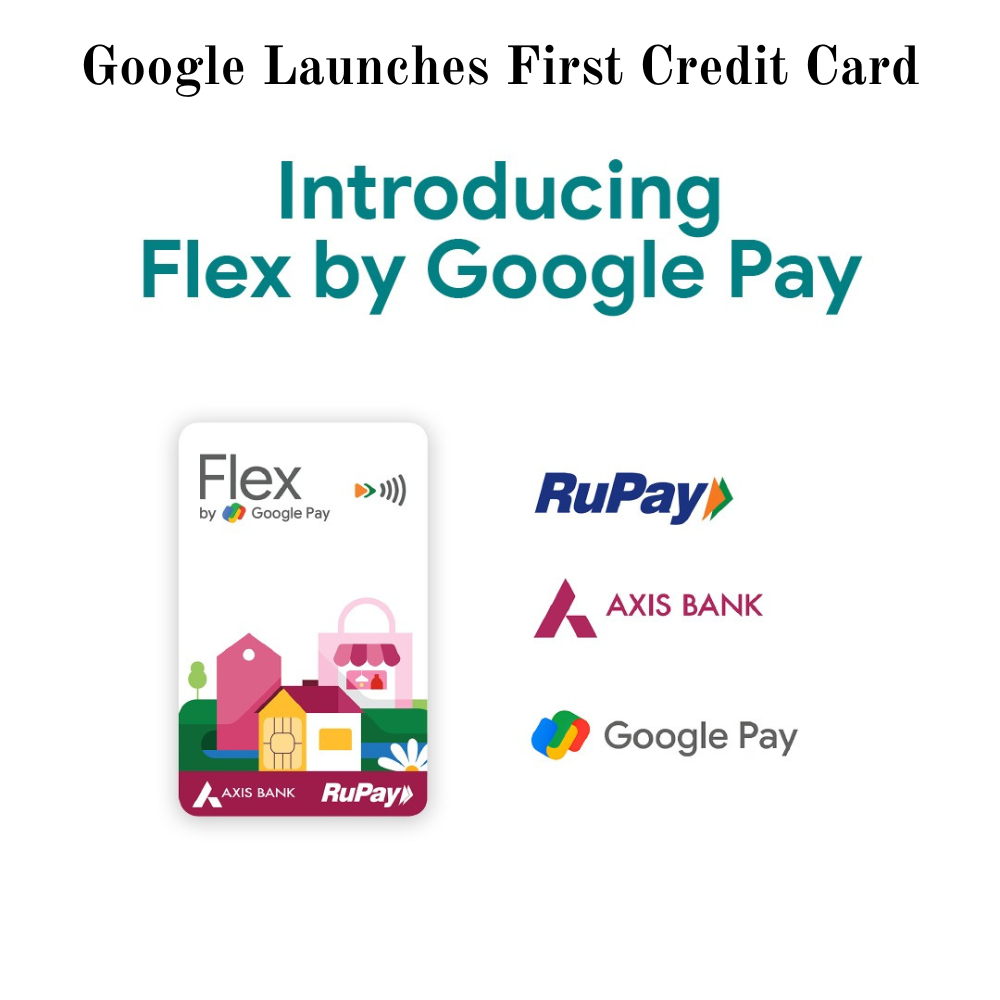
UPI-Powered Credit Experience
Unlike traditional credit cards that rely solely on card swipes or online card details, the Google Pay Flex Credit Card is deeply integrated with UPI. Users can scan QR codes at shops or pay online using UPI, but instead of money being debited from a bank account, the amount is charged to the credit card.
This innovation allows users to enjoy the convenience of UPI while benefiting from the flexibility of credit. It effectively turns everyday UPI payments into credit transactions without changing user behavior.
Rewards and Flexible Repayment
The card offers instant rewards on transactions, which can be redeemed directly within the app. Unlike traditional reward systems that require users to wait for monthly statements, Google’s approach focuses on immediate gratification and transparency.
In terms of repayment, users can choose to pay their total outstanding amount in full or convert purchases into easy monthly installments (EMIs). This flexibility helps users manage their expenses better and avoid financial stress.
Security and Control Within the App
Security is a key focus of Google’s credit card offering. All card controls are available within the Google Pay app. Users can set spending limits, block or unblock the card, manage PINs, and monitor transactions in real time.
This level of control not only enhances security but also gives users greater confidence in managing their credit independently.
What This Means for Google
From a business perspective, entering the credit card space opens up new revenue opportunities for Google. While basic UPI transactions generate minimal revenue, credit products allow earnings through interest, merchant fees, and partnerships.
More importantly, this move strengthens Google Pay’s position as a complete financial platform rather than just a payment app. It also sets the stage for future financial products such as loans, premium cards, or expanded credit services.
Impact on the Fintech and Banking Ecosystem
Google’s entry into credit cards increases competition in the fintech space. Other digital payment platforms and banks may now be pushed to innovate further, especially in areas like UPI-linked credit, instant onboarding, and app-based credit management.
For banks, partnerships with technology companies like Google offer a way to reach new customers and modernize their offerings without building everything from scratch.
Benefits for Consumers
For consumers, this launch brings several advantages:
- Easier access to credit for first-time users
- Seamless integration with existing UPI habits
- No need for physical cards
- Transparent rewards and repayment options
- Full control through a single app
Overall, it simplifies credit usage and makes it more approachable for a wider audience.
Challenges and Considerations
Despite its innovation, the Google Pay Flex Credit Card faces challenges. Traditional credit cards often offer premium benefits such as travel rewards, lounge access, and lifestyle perks. Competing with such offerings may require Google to expand its reward ecosystem over time.
There is also the responsibility of encouraging responsible credit usage, especially among new users who may be unfamiliar with interest rates and repayment cycles.