The Boom of Global Coffee Markets
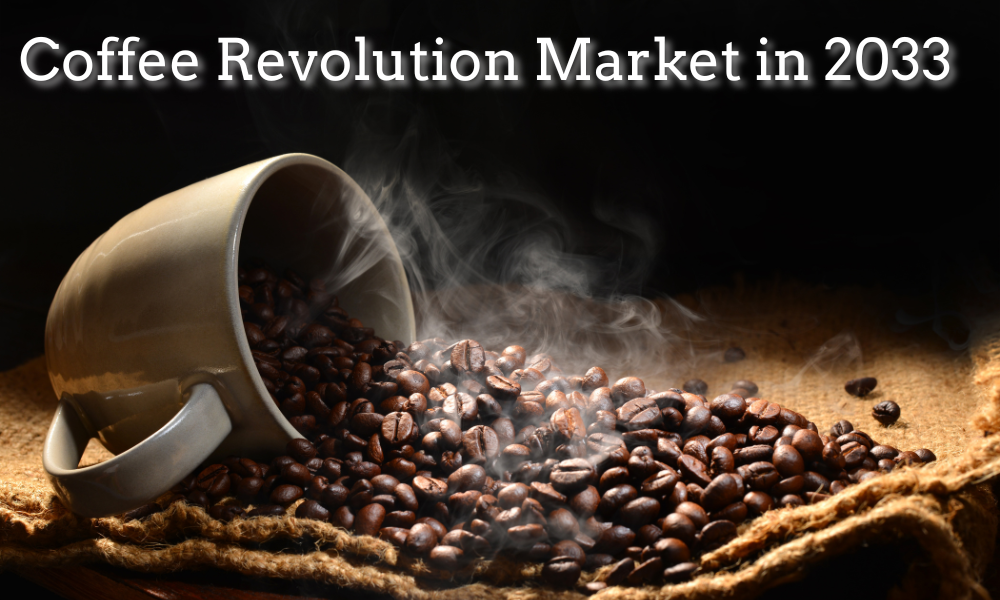
Coffee is one of the fastest-growing beverages around the world. The global coffee market in 2023 was $269 billion and will be around $369 billion by 2030. That’s a consistent growth of about 5% per year, capturing how strong the demand has grown. Behind these numbers are some obvious trends — younger consumers are becoming more explorative in their flavors choices, specialty coffee products are becoming more mainstream, and coffee shops are evolving into social public spaces in a variety of countries. These global trends are being translated into coffee consumption trends in India, but Indian coffee culture is evolving at its own pace.
Growth of India’s Coffee Sector
India’s coffee sector is small when compared with tea, but it is growing faster than it has previously grown. In India coffee market was $486 million in 2023, experts believe that by 2033 it will reached to $1.88 billion which is almost four times bigger than today. This is not a random change; there are systemic changes to consumer behaviour, especially among the youth, that are driving the increase.
Coffee has become part of daily routine, a social practice, and a lifestyle marker. Young urban drinkers have embraced a space that includes instant coffee, cappuccinos, lattes, and cold coffee, utilising coffee as a part of daily routine. With various social media platforms further popularising trends, coffee is also making inroads into smaller towns in India as well.
While the market may seem tiny against larger international markets, the fact that there remain consistent and steady growth points to a significant change in consumer behaviour, and can likely expect a booming decade for coffee in India.
Youth and the Café Culture Trend
Coffee is now part of their daily lifestyle & routine, with a cappuccino in the morning, a latte during a college break, or an iced coffee while hanging out with friends. Many young people now consider coffee fresher and more contemporary than traditional beverages. About 60–65% of urban youth drink coffee rather than tea, which is a large shift in a country historically consumed with chai-based beverages.
Social media has encouraged this trend. The posts they read and see on different styles of brews, café aesthetics and international coffee trends inspire young people to try different styles either at home or in their local cafés. Coffee shops have revolutionized this cultural shift that has been about more than drinking coffee. These places are no longer just drink-pourers, they have become meeting places, work spaces, places of lifestyle. This shift in culture exists beyond just metro cities, it is happening in smaller tier-2 and tier-3 towns forming new coffee culture spaces at much faster rates than the past. It is identity, it is convenience, and it is also a minor luxury that they are willing to spend their money on.